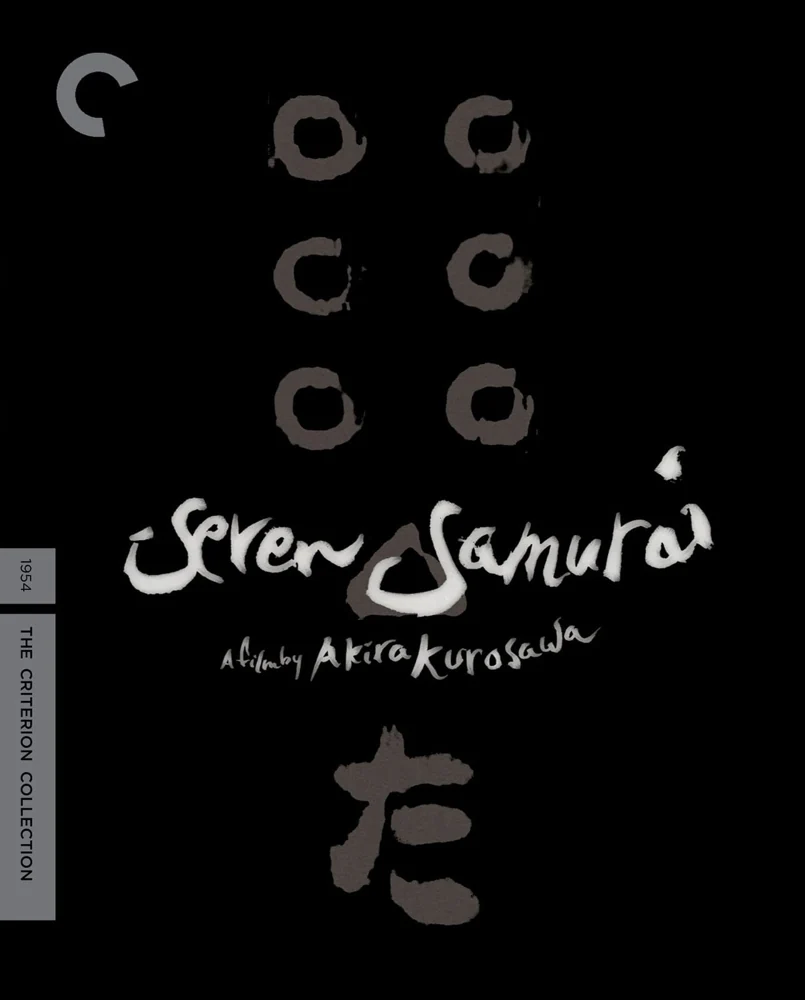
A label can be a useful guide through cinema. It may introduce an unfamiliar filmmaker, restore a neglected work, or build a package that explains a favorite film in greater depth. Learning a few label identities makes browsing more enjoyable, but the logo is only a starting point. The film, the exact edition, and the material included still deserve your attention.
Understand the company’s role
The company associated with a film is not always the company publishing a particular disc. A studio may own or distribute the movie while a physical-media label releases an edition under license. A retailer may then sell editions from many different labels. Keeping studio, label, and retailer separate makes collection records and buying comparisons much clearer.
This distinction also explains why one film can have several legitimate editions across different countries. Their publishers may commission different extras, use different packaging, or present different versions. A shared movie title does not make them interchangeable. Begin a comparison by identifying the releasing label and territory of each product.
Use familiar names as routes into discovery
Criterion's stated mission centers on classic and contemporary films from around the world, with presentation and supplements that deepen appreciation. Arrow's catalog provides routes through cult, genre, and studio cinema. Second Sight offers individual restorations and limited packages, while Vinegar Syndrome describes a preservation mission focused on overlooked independent and genre filmmaking.
These are useful browsing identities, not rigid boundaries. Start with a movie you know, then follow a connection: the same director, country, genre, or subject. A label guide is most valuable when it helps you find another film you would enjoy, rather than encouraging you to buy an entire brand indiscriminately.
Look for the editorial work inside
A strong edition can create a conversation around a film. An interview might explain a production choice; a commentary can point you toward visual details; an essay can connect the work with its historical setting. Read the names and subjects of the contributors. A short, focused supplement may be more useful to you than a long list of extras you will never watch.
For an unfamiliar film, look for material that offers a welcoming point of entry. For a favorite, consider what could change or deepen your understanding. This gives a concrete basis for choosing an edition even when both versions promise a good presentation of the main feature.
Compare releases rather than reputations
A respected label does not eliminate the need to read a product page. Check the film cut, actual disc format, subtitles, soundtrack choices, and compatibility. Then note which physical items belong to the package. When a standard edition follows a limited one, compare the published contents directly instead of assuming either that everything changed or that only the box changed.
Avoid turning label preferences into automatic quality scores. A restoration can involve choices about color, grain, framing, and sound that deserve release-specific discussion. Disc Curator records published edition information; a hands-on assessment should be identified separately when a disc has actually been watched and evaluated.
Build a personal map of the catalogs
Create a few modest collecting paths. You might follow one filmmaker through Criterion, explore an action strand at Arrow or 88 Films, and keep a small list of international discoveries from Radiance or Deaf Crocodile. Choose paths that invite watching. A carefully selected handful of releases can teach you more about a label than a pile of unopened boxes.
Keep the official source for each edition and record the publisher even when buying through another store. Storefronts and distribution arrangements can change while the identity of the disc stays the same. Your collection becomes easier to understand when the notes describe the object you own and the reason you chose it. You can follow the connections without needing to own everything.
Sources & further reading
Written from published specifications and reference material. Edition details should always be checked against the exact release.
Criterion: mission Arrow Video: official catalog Vinegar Syndrome: company and preservation mission Deaf Crocodile: company information Radiance Films: official catalog Have a correction or a useful source? Let us know.